

Introduction
When most people think of relationship counseling, they envision two partners sitting across from a therapist, working through their issues together. While couples counseling is a powerful tool, it’s not the only way to improve your relationship. In fact, individual therapy for relationship issues can be just as transformative, sometimes even more so. Whether you’re dealing with communication problems, emotional distance, or recurring patterns that sabotage intimacy, starting with yourself might be the best first step.
If you’ve ever felt like you’re carrying the emotional weight in your relationship, or you’re struggling to express your needs without starting a fight, individual therapy could be the missing link. Let’s explore how working on your own mental health can deeply benefit your romantic partnership.
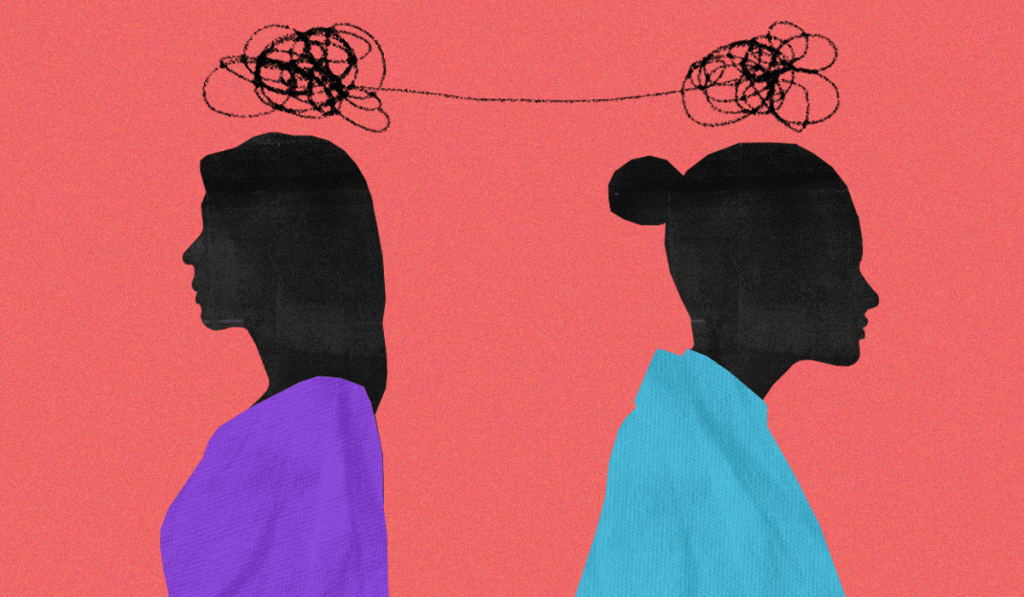
The Link Between Personal Mental Health & Relationship Health
Your relationship is not a separate entity from you, it’s a reflection of your inner world. Anxiety, depression, trauma, or even chronic stress can seep into your relationship in subtle yet powerful ways. You may find yourself becoming overly reactive, withdrawing emotionally, or struggling to trust your partner.
Mental health and relationships are closely tied. For instance, someone with untreated anxiety might constantly fear abandonment, leading to clingy behaviors or accusations. Conversely, someone dealing with depression may feel unworthy of love, causing them to shut down emotionally or push their partner away. These patterns often have roots in past experiences that resurface in your current relationship dynamic.
Individual therapy provides a space to uncover and address these underlying issues, so they no longer control how you show up in your relationship.
What Happens in Individual Therapy (That Helps Relationships)
- Self-Awareness & Emotional Regulation
One of the first things you gain from therapy is greater self-awareness. You start to notice your triggers, automatic responses, and emotional blind spots. This awareness is essential in breaking unhealthy cycles like yelling during arguments or emotionally shutting down. - Healthier Communication Patterns
With therapy, you learn how to express your needs without blame, how to listen actively, and how to handle disagreements without escalating tension. This is crucial if you’re looking to improve communication in relationships. - Understanding Attachment Styles
Many relationship issues stem from attachment wounds formed in childhood. A therapist can help you identify your attachment style, whether it’s anxious, avoidant, or secure, and how it affects your current relationship. By working through these patterns, you can develop a more secure way of connecting with your partner. - Conflict Resolution & Boundary Setting
Learning how to set boundaries, express your truth, and de-escalate conflict are core parts of relationship counseling near me services. Even though you’re going solo, you’re still acquiring tools that benefit your relationship directly.
Individual vs. Couples Counseling: Which One First?
A common question is: Should we go to couples therapy, or should I start on my own?
If your partner is unwilling to attend therapy or if you’re unsure whether the relationship will last, individual therapy is a great starting point. It gives you the emotional tools and clarity needed to either strengthen the bond or make empowered decisions.
On the flip side, couples counseling is ideal when both partners are committed to change and want to work through issues together. But even in couples therapy, individual sessions are often recommended to dive deeper into personal challenges.

When to Consider Relationship Counseling
If you’re in Florida and searching for relationship counseling, Dr. Ronda Porter offers both individual and couples therapy, including telehealth options for added convenience.
She serves residents in:
Whether you’re dealing with relationship anxiety, communication struggles, or trust issues, Dr. Porter provides compassionate, evidence-based support tailored to your situation. Her warm and professional approach creates a safe space for growth and healing.
Conclusion
Improving your relationship doesn’t always require your partner to be in the therapy room. By investing in yourself, you’re laying the groundwork for healthier communication, deeper intimacy, and more meaningful connection.
Remember: your emotional health sets the tone for your relationships. Whether you’re currently partnered or navigating challenges on your own, individual therapy for relationship issues can be the catalyst for lasting change.
Start with you. The rest will follow.