
Introduction
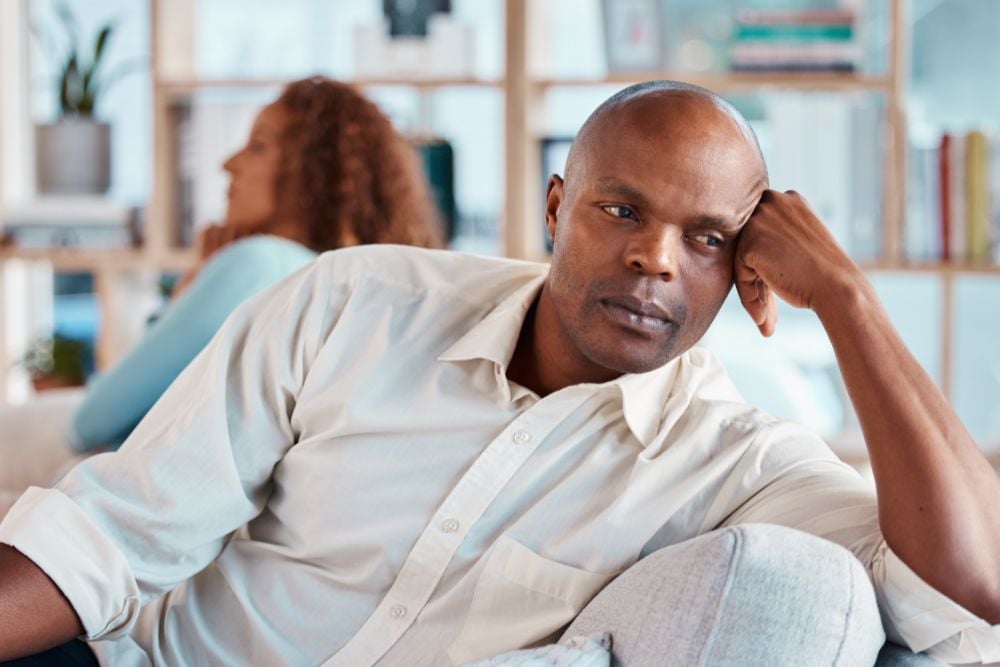
Emotional repair is the process of addressing hurt, misunderstanding, or conflict so connection can be restored. In many relationships, repair does not fail because partners do not care. It fails because it keeps getting postponed. Conversations get delayed until things feel calmer, less busy, or less emotionally charged. That “later” often never comes.
Over time, unresolved moments quietly pile up. Through marriage counseling and couples therapy many partners discover that avoidance cycles are not about indifference. They are about fear, overwhelm, and not knowing how to safely repair.
Working with professionals like Dr. Ronda Porter, couples across Apollo Beach, Brandon, Lithia, Plant City, Riverview, Valrico, and Wimauma learn how delayed repair slowly erodes trust and how intentional repair rebuilds it.
What Emotional Repair Actually Means
Emotional repair is not about winning an argument or assigning blame. It is about acknowledging impact and restoring safety.
Repair can include:
- Acknowledging hurt feelings
- Taking responsibility for actions or words
- Offering reassurance and validation
- Reconnecting emotionally after conflict
In couples therapy, repair is treated as a skill that can be learned and practiced.

Why Repair Often Gets Pushed to “Later”
Most couples do not avoid repair intentionally. They delay it because it feels risky or overwhelming in the moment.
Common reasons repair is postponed:
- Fear of escalating conflict
- Not having the right words
- Emotional shutdown or exhaustion
- Belief that time alone will heal the issue
- Desire to keep the peace
Unfortunately, unresolved emotions do not disappear. They wait.
The Avoidance Cycle Explained
Avoidance cycles develop when conflict is repeatedly delayed rather than resolved. Each delay reinforces the habit.
A typical cycle looks like this:
- Conflict or emotional rupture occurs
- One or both partners withdraw or avoid
- Temporary calm returns
- The issue remains unresolved
- Resentment quietly grows
In couples counseling, these cycles are mapped so partners can see patterns rather than blame each other.
How Delayed Repair Affects Connection
When repair is delayed repeatedly, partners often stop feeling emotionally safe.
Long term effects may include:
- Emotional distance
- Increased defensiveness
- Reduced intimacy
- Heightened sensitivity to small issues
- Feeling unseen or unheard
Counseling helps couples understand that these reactions are protective, not intentional harm.
The Role of Nervous System Overload
When emotions run high, the nervous system may enter fight, flight, or freeze. In this state, productive conversation is difficult.
Signs nervous system overload is present:
- Shutting down mid conversation
- Feeling flooded or overwhelmed
- Becoming reactive or dismissive
- Needing space but never returning to the topic
Couples therapy teaches regulation skills so repair conversations can happen without triggering overwhelm.


Why “Time Will Fix It” Rarely Works
Time alone does not repair emotional injuries. Without acknowledgment, hurt often transforms into resentment.
Unrepaired moments may resurface as:
- Passive aggression
- Withdrawal
- Repeated arguments about unrelated topics
- Loss of trust
In couples counseling, partners learn that repair does not require perfection, only intention.
Small Repairs Matter More Than Big Talks
Many couples believe repair must involve long, emotionally intense conversations. In reality, small repairs are often more effective.
Examples of small repair:
- A brief acknowledgment of hurt
- A genuine apology
- A check in later that day
- Naming emotions without problem solving
Counseling emphasizes consistency over intensity.
How Couples Therapy Helps Break Avoidance Cycles
Couples therapy provides structure, safety, and guidance when repair feels too difficult to initiate alone.
In couples counseling, partners learn:
- How to recognize avoidance patterns early
- How to initiate repair without blame
- How to listen without becoming defensive
- How to repair even when emotions differ
Working with Dr. Ronda Porter allows couples to practice these skills with professional support.

Rebuilding Trust Through Timely Repair
Trust is built through repeated experiences of emotional responsiveness. Repair shows that the relationship can withstand discomfort.
Timely repair communicates:
- Your feelings matter
- I care about our connection
- We can address conflict together
Couples therapy reinforces these messages through guided practice.
When to Seek Professional Help
If repair consistently gets delayed or avoided, professional support can make a significant difference.
You may benefit from couples counseling if:
- Conflicts remain unresolved for weeks or months
- You feel emotionally distant despite loving your partner
- Conversations about issues feel unsafe
- Resentment is building beneath the surface
Working with Dr. Ronda Porter offers a supportive environment for addressing these challenges.
Moving From Avoidance to Repair
Repair does not require perfect timing or flawless communication. It requires willingness. When repair happens sooner rather than later, relationships regain resilience.
Through counseling, couples learn that emotional repair is not a threat to stability. It is what creates it.
Conclusion
When emotional repair keeps getting delayed until “later,” connection quietly erodes. Avoidance cycles form not because partners do not care, but because they do not feel safe or equipped to repair. With the support of couples therapy, repair becomes possible, manageable, and sustainable.
If emotional repair in your relationship keeps getting postponed, marriage counseling and couples therapy. can help break avoidance cycles and rebuild connection. Dr. Ronda Porter offers compassionate support for couples in Apollo Beach, Brandon, Lithia, Plant City, Riverview, Valrico, and Wimauma. Reach out today to start repairing together rather than waiting for later.